
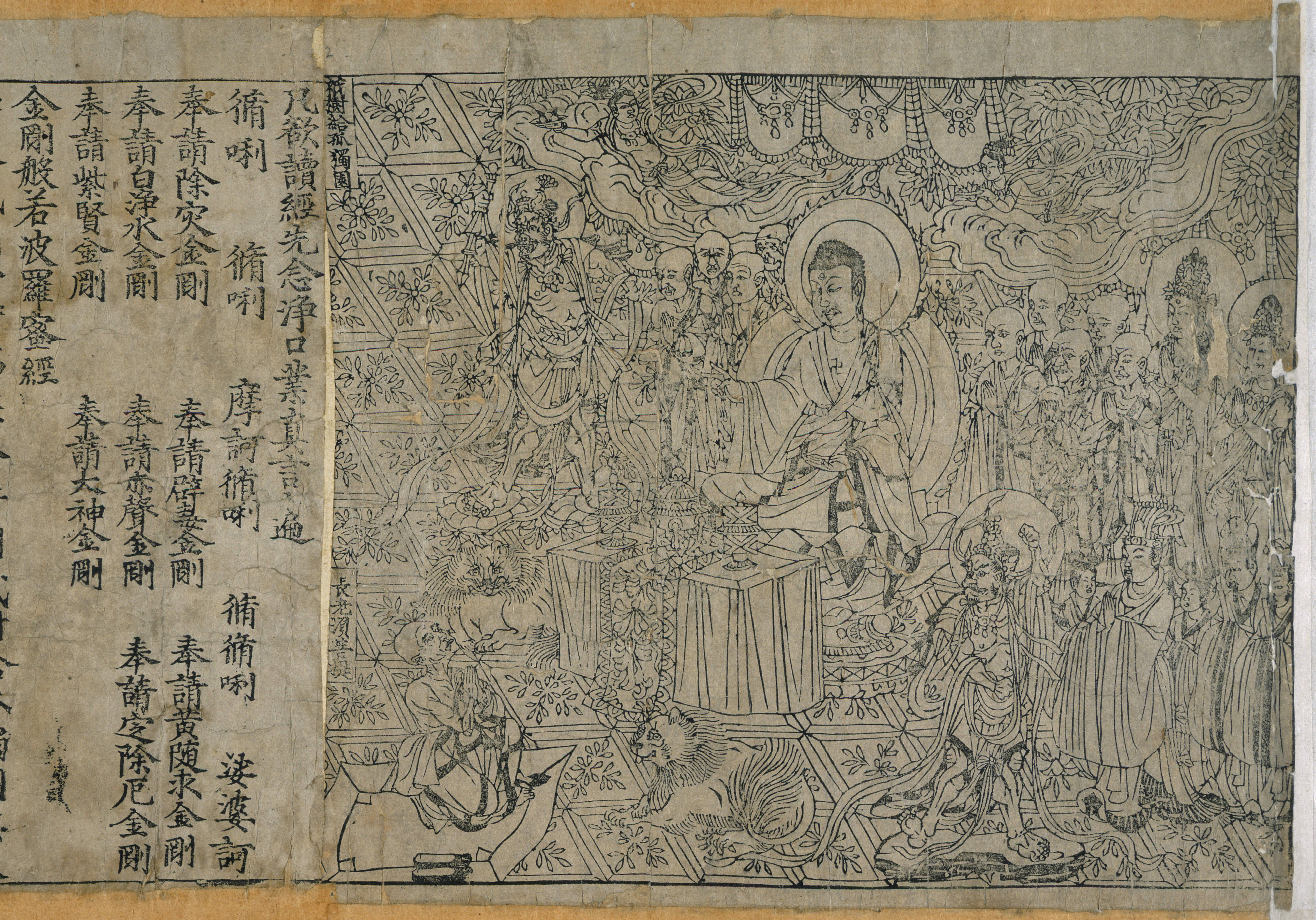
The Diamond Sutra (868 CE) — the world's earliest dated woodblock-printed book and a touchstone of the broader Asian printmaking tradition that shaped Japanese ukiyo-e.
Guide · Japanese Woodblock Prints
Understanding Your Japanese Woodblock Print's Value
The factors that drive value — and the artists collectors look for
Have a piece you're thinking about selling?
Overview & Entries
Where to start
Understanding and appraising the value of your Japanese woodblock print requires considering several key factors — the print’s age, artist, edition, condition, size, subject matter, and provenance.
If you’d rather have us do the appraisal or auction valuation for you, send us some images to get started. Otherwise, read on.
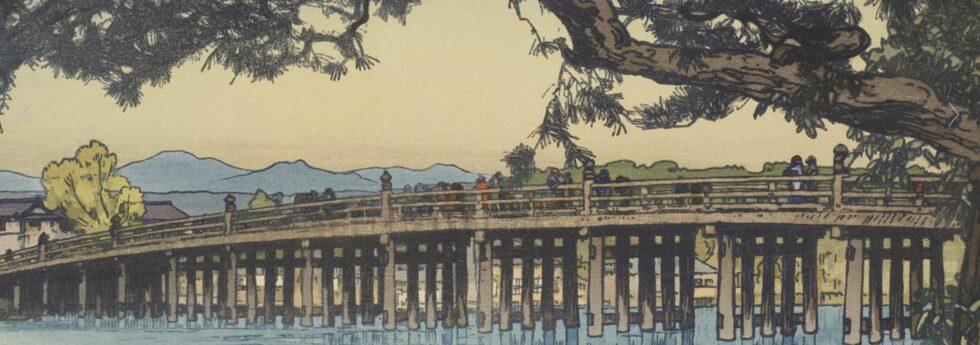
The main factors affecting value
Age. Japanese woodblock prints fall into three broad eras: Edo, Meiji, and Post-Showa/Modern. Collectors from each era often have different preferences. Edo-era prints are generally older and more valuable to certain collectors, while modern prints may have different markets that don’t overlap.
Artist. The value of a print can vary widely depending on the artist. Lesser-known artists may produce beautiful works, but their pieces are not as sought after. Famous artists like Hokusai or Hiroshige may sell for much higher prices, especially for original prints.
Edition / State. Prints produced during an artist’s lifetime are highly valued. An original Hiroshige print made during his life is worth exponentially more than a posthumous re-strike. Similarly, Hiroshi Yoshida’s hand-signed works fetch higher prices than unsigned ones.
Size. Larger prints are often more valuable. Some of Yoshida’s prints exist in multiple sizes, with larger editions selling for significantly higher values.
Subject Matter. Collectors are often drawn to specific themes. Artists like Kuniyoshi and Yoshida produced prints with varying subjects, with certain themes commanding more attention.
Provenance. The ownership history can sometimes add significant value to a print, especially if it was part of a notable collection.
Condition — eight things to look for
Condition is a critical factor when determining the value of a Japanese woodblock print. Various types of damage or alterations can significantly affect its worth.
- Cropping / trimming. Over time, some prints may be cropped or trimmed to fit into frames or albums. This reduces the print’s original dimensions and lowers its value. Collectors seek prints in their full, original size; alterations to the margins diminish both aesthetic and monetary value.
- Spray mounting. Some prints may have been glued or spray-mounted onto a backing to stabilize them or display them. This damages the original paper, often irreversibly, and greatly reduces the print’s value. It also makes future restoration efforts more difficult.
- Mat burn. When a print has been framed with non-archival materials, it may suffer from mat burn — a brownish discoloration around the edges caused by acid in the matting. It decreases a print’s desirability.
- Restoration. While restoration can improve a print’s appearance, it often lowers the value. Collectors prefer original, unrestored prints. Poorly executed restorations — overpainting, improper paper repair — can cause further damage and significantly reduce value.
- Color filling. Prints with faded or damaged color may have areas where color has been manually filled in to restore the image. This is usually seen as an undesirable alteration, as it compromises the integrity of the original work.
- Water damage. Water exposure can cause stains, mold, or warping. Any visible water damage dramatically decreases the print’s value, especially if it affects critical areas of the artwork.
- Folding. Prints that have been folded show visible creases, especially when folded along the image itself. These creases break the paper’s fibers and are difficult to repair, making the print less appealing to collectors.
- Fading. Over time, exposure to light can cause the colors in a print to fade. Original, vibrant colors are one of the key aspects of a print’s appeal, and faded prints are often worth far less than those with well-preserved colors.
Understanding these factors can help in evaluating and appraising the potential worth of a Japanese woodblock print. Get in touch for a free auction valuation by our appraiser.
Pre-1900 Printmakers · the Edo & early-Meiji masters
Here is a list of some of the most valuable Japanese woodblock printmakers from the pre-1900 era. These artists are highly sought after by collectors and their works often command premium prices.
01 · Katsushika Hokusai
1760–1849 · Edo
- Famous for his series Thirty-Six Views of Mount Fuji, which includes the iconic print The Great Wave off Kanagawa.
- Hokusai’s works are some of the most recognized and valuable in the world.
02 · Utagawa Hiroshige
1797–1858 · Edo
- Known for his landscapes, particularly the series The Fifty-Three Stations of the Tōkaidō.
- Original prints made during his lifetime are extremely valuable.
03 · Kitagawa Utamaro
1753–1806 · Edo
- Renowned for his bijin-ga (beautiful women) prints, especially portraits of courtesans.
- His work focusing on feminine beauty and emotion is highly prized.
04 · Utagawa Kuniyoshi
1797–1861 · Edo
- Known for dynamic depictions of warriors, mythical creatures, and historical figures.
- His vivid and bold prints have a dedicated collector base.
05 · Toshusai Sharaku
Active 1794–1795 · Edo
- Famous for his dramatic portraits of kabuki actors.
- Though his career was brief, Sharaku’s bold style makes his work among the most valuable.
06 · Suzuki Harunobu
1725–1770 · Edo
- Innovator of full-color woodblock prints (nishiki-e).
- His delicate depictions of courtesans and elegant scenes are highly sought after.
07 · Tsukioka Yoshitoshi
1839–1892 · Edo / Meiji
- Known for his powerful imagery of war, violence, and supernatural themes, as well as his poignant depictions of Meiji-era changes.
- His later works are increasingly valuable.
08 · Kitao Shigemasa
1739–1820 · Edo
- Produced exquisite prints of beautiful women, nature, and birds.
- His collaborative work on Ehon mushi erami is highly collectible.
09 · Isoda Koryusai
1735–1790 · Edo
- Known for his graceful depictions of beautiful women and elaborate clothing designs.
- Koryusai’s prints often depict seasonal changes and elegant social scenes.
10 · Torii Kiyonaga
1752–1815 · Edo
- Famous for his bijin-ga and genre scenes, often depicting daily life and beautiful women.
- His prints are praised for their balanced composition and harmonious color schemes.
These artists represent the pinnacle of Edo and early-Meiji-period woodblock printing, and their works are highly coveted by collectors worldwide. Original prints, especially those in good condition and from the artists’ lifetimes, can fetch extremely high prices at auction.
Post-1900 Printmakers · shin-hanga and sōsaku-hanga
Here are some of the most valuable and influential Japanese woodblock printmakers from after 1900. These artists are central to the shin-hanga (new prints) and sōsaku-hanga (creative prints) movements, which revived and transformed traditional woodblock printing in the 20th century.
01 · Hiroshi Yoshida
1876–1950 · shin-hanga
- One of the leading figures of the shin-hanga movement.
- Known for his serene landscapes, both Japanese and international, often depicting mountains, rivers, and temples.
- Hand-signed prints are especially valuable.
02 · Kawase Hasui
1883–1957 · shin-hanga
- Famous for his shin-hanga landscape prints, particularly quiet, atmospheric scenes of rural Japan.
- His series Views of Japan is highly prized, and his winter scenes are especially sought after.
03 · Shinsui Ito
1898–1972 · shin-hanga
- Known for his beautiful bijin-ga (pictures of beautiful women), Ito’s prints emphasize elegance and femininity.
- His work in the shin-hanga tradition makes him a key figure for collectors.
04 · Torii Kotondo
1900–1976 · bijin-ga
- Another important artist in the bijin-ga genre.
- His delicate portraits of women, often produced in limited editions, are highly valuable and sought after by collectors.
05 · Yoshitoshi Mori
1898–1992 · sōsaku-hanga
- A leading figure in the sōsaku-hanga (creative print) movement.
- Mori’s bold, dynamic prints often depict scenes from Japanese folklore, kabuki theater, and festivals.
- Known for their unique, colorful style.
06 · Koitsu Tsuchiya
1870–1949 · shin-hanga
- Renowned for his landscapes and nocturnal scenes in the shin-hanga style.
- His attention to light and shadow, especially in night scenes, gives his prints a unique atmospheric quality.
07 · Jun’ichirō Sekino
1914–1988 · sōsaku-hanga
- An influential artist of the sōsaku-hanga movement, which emphasized the artist’s personal involvement in every step of the printmaking process.
- Known for his expressive portraits, architectural prints, and bold use of color and texture.
08 · Tōshi Yoshida
1911–1995 · Yoshida family
- Son of Hiroshi Yoshida; Tōshi continued the family tradition of landscape prints but also experimented with modern and abstract themes.
- His post-1950s works, which feature vibrant colors and stylized compositions, are particularly sought after.
09 · Kiyoshi Saito
1907–1997 · sōsaku-hanga
- A major artist of the sōsaku-hanga movement, known for his modern, minimalist designs, often featuring stylized landscapes, animals, and traditional Japanese architecture.
- His use of texture and abstraction makes his work distinctive and highly collectible.
10 · Kazuyuki Ohtsu
b. 1935 · shin-hanga
- A contemporary shin-hanga artist and apprentice to Kiyoshi Saito; Ohtsu is known for his tranquil, poetic landscapes that evoke a sense of simplicity and calm.
- His prints reflect the beauty of nature and traditional Japanese scenery with a modern touch.
11 · Takeshi Nishijima
b. 1944 · Contemporary
- Known for his detailed depictions of traditional Japanese architecture and street scenes.
- His prints often capture the charm of old Japanese towns, featuring rustic buildings and serene landscapes.
12 · Un’ichi Hiratsuka
1895–1997 · sōsaku-hanga
- A pioneer of the sōsaku-hanga movement, known for his bold, black-and-white prints.
- Hiratsuka’s works often feature religious themes, architectural details, and elements of nature, emphasizing strong lines and contrast.
13 · Tsuchiya Rakusan
1896–1976 · kacho-e
- Famous for his vibrant, detailed prints of birds and flowers (kacho-e).
- His large-scale, hand-printed works are rare and highly prized for their intricate detail and natural beauty.
14 · Kazuo Wakabayashi
1931–2006 · sōsaku-hanga
- A significant figure in sōsaku-hanga; Wakabayashi is known for his abstract compositions and expressive use of color.
- His prints often feature flowing, organic forms, blending traditional and modern elements.
15 · Shikō Munakata
1903–1975 · sōsaku-hanga
- One of the most influential sōsaku-hanga artists, known for his expressive, religious-themed works.
- Munakata’s dynamic black-and-white woodcuts often feature Buddhist imagery and are recognized for their spiritual intensity.
16 · Fumio Fujita
b. 1933 · Contemporary
- A contemporary printmaker known for his serene, minimalist landscapes, often featuring forests, lakes, and rural scenery.
- Fujita’s work reflects a deep connection to nature, using simplified forms and subtle colors to evoke a sense of peace.
17 · Hideo Hagiwara
1913–2007 · sōsaku-hanga
- A versatile sōsaku-hanga artist, Hagiwara is known for both representational and abstract works.
- His use of vivid color and experimental techniques makes his work distinctive and highly collectible.
18 · Toko Shinoda
1913–2021 · Contemporary
- Blurring the line between traditional woodblock printing and modern calligraphy, Shinoda is known for her abstract, sumi-ink works.
- Her prints combine the elegance of traditional Japanese calligraphy with contemporary abstract forms, making her work unique and sought after.
19 · Paul Jacoulet
1902–1960 · shin-hanga
- A French-born artist who spent much of his life in Japan, Jacoulet is known for his beautifully detailed prints of East Asian subjects — particularly figures and scenes from Japan, Korea, and Micronesia.
- His use of delicate color and exquisite detail makes his work highly valuable among collectors.
20 · Toshiro Maeda
b. 1920 · Contemporary
- Known for his colorful and contemporary prints, often blending traditional Japanese elements with modern design.
- Maeda’s works frequently explore vibrant landscapes, utilizing bold colors and geometric compositions.
21 · Masao Ido
1945–2016 · Contemporary
- A contemporary printmaker famous for his serene and colorful depictions of Kyoto’s temples, gardens, and landscapes.
- His works are characterized by vibrant color palettes and an elegant simplicity that evokes a peaceful atmosphere.
22 · Takashi Ito
1894–1982 · sōsaku-hanga
- Known for his depictions of everyday life, often focusing on workers, urban scenes, and landscapes.
- Ito was a member of the sōsaku-hanga movement; his works reflect a deep interest in working-class life of early-20th-century Japan.
23 · Katsunori Hamanishi
b. 1949 · Contemporary
- A contemporary sōsaku-hanga artist specializing in mezzotint prints.
- His works combine traditional Japanese themes with a highly detailed, textural approach, often featuring symbolic elements like ropes and nets.
24 · Shufu Miyamoto
b. 1950 · Contemporary
- A modern printmaker known for his peaceful and contemplative landscape prints.
- His works often depict rural and natural scenes, using soft colors and subtle gradations to create a tranquil atmosphere.
25 · Ryusei Okamoto
b. 1949 · Contemporary
- A contemporary sōsaku-hanga artist known for his bright, dream-like prints that often depict mythical or surreal scenes.
- His use of imaginative subjects and striking color combinations has made his work popular among collectors.
26 · Ryohei Tanaka
1933–2019 · sōsaku-hanga
- Highly acclaimed sōsaku-hanga artist known for his meticulously detailed etchings and prints of rural Japanese landscapes. His works often depict traditional thatched-roof houses, quiet villages, and serene countryside scenes with a sense of stillness and nostalgia.
- Tanaka’s prints are celebrated for their extraordinary precision, capturing fine details such as the texture of old wood and the subtlety of light and shadow. His mastery of black-and-white etchings is particularly notable, and his prints are prized for their delicate, photorealistic quality.
27 · Joichi Hoshi
1913–1979 · sōsaku-hanga
- Renowned for his ethereal and mystical woodblock prints, often centered around trees — which became his signature subject. Initially a schoolteacher, he transitioned to art later in life, becoming a pivotal figure in the sōsaku-hanga movement.
- Known for the delicate balance of intricate detail and a dream-like atmosphere, often using shimmering metallic inks and soft colors to create hauntingly beautiful depictions of trees against night skies. His works evoke themes of time, nature, and spirituality.
28 · Tomoo Inagaki
1902–1980 · sōsaku-hanga
- Celebrated for his striking woodblock prints featuring cats, which became his defining subject. A key figure in the sōsaku-hanga movement, Inagaki’s prints are known for their elegant simplicity and bold design, often using clean lines and strong contrasts of black and white to capture the grace and personality of cats.
- His minimalist style — paired with a focus on a single subject — makes his work distinct in the world of Japanese printmaking.
These post-1900 printmakers are central to the shin-hanga and sōsaku-hanga movements, which brought renewed attention to Japanese woodblock printing in the modern era. Their works, especially limited editions and those in good condition, are highly prized by collectors worldwide.
We’re eager to help you understand your collection. Please call or email us — there’s no fee for a first look.
Recent Results at Auction
What pieces in this category have sold for. A representative selection from recent sales.
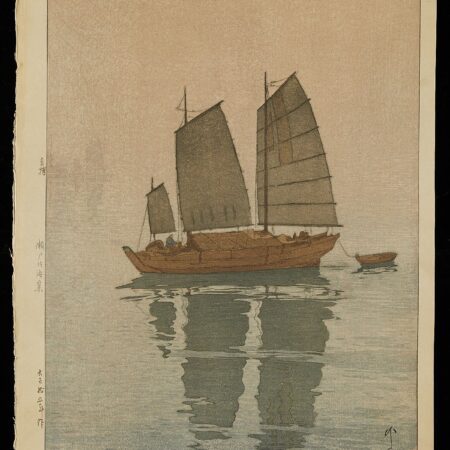
Hiroshi Yoshida, "Sailing Boats, Mist" Jizuri (large)
Sold $7,500
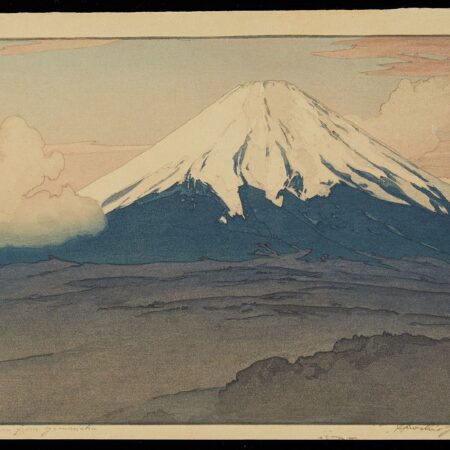
Hiroshi Yoshida, "Fuji San From Yamanaka" Jizuri
Sold $2,200
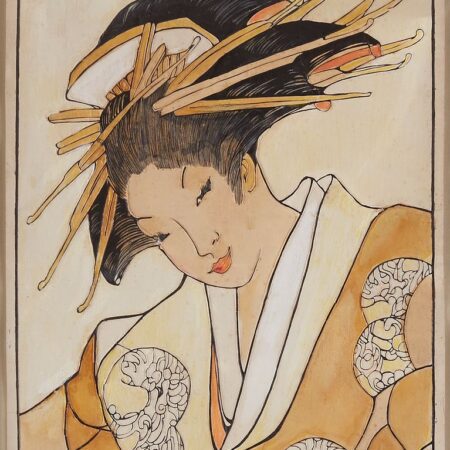
Bertha Lum, Geisha Layered Block Print
Sold $2,100
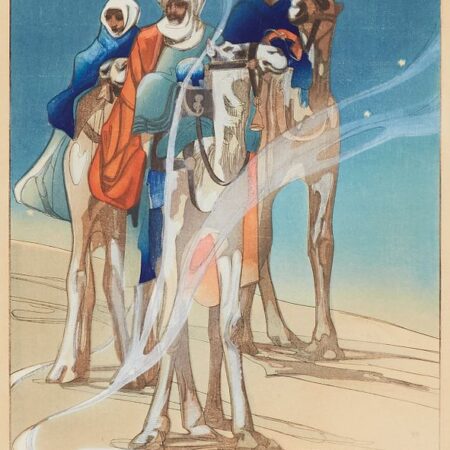
Bertha Lum, "Three Wise Men" Woodblock
1921
Sold $1,200
Prices include buyer's premium. Results above ranges typically follow strong provenance.
Further Reading
Get an Estimate
Have a piece in this category you're thinking about selling?
Free, specialist-led estimate in five to seven business days. No fee, no obligation.
Request a Free Auction Estimate →